
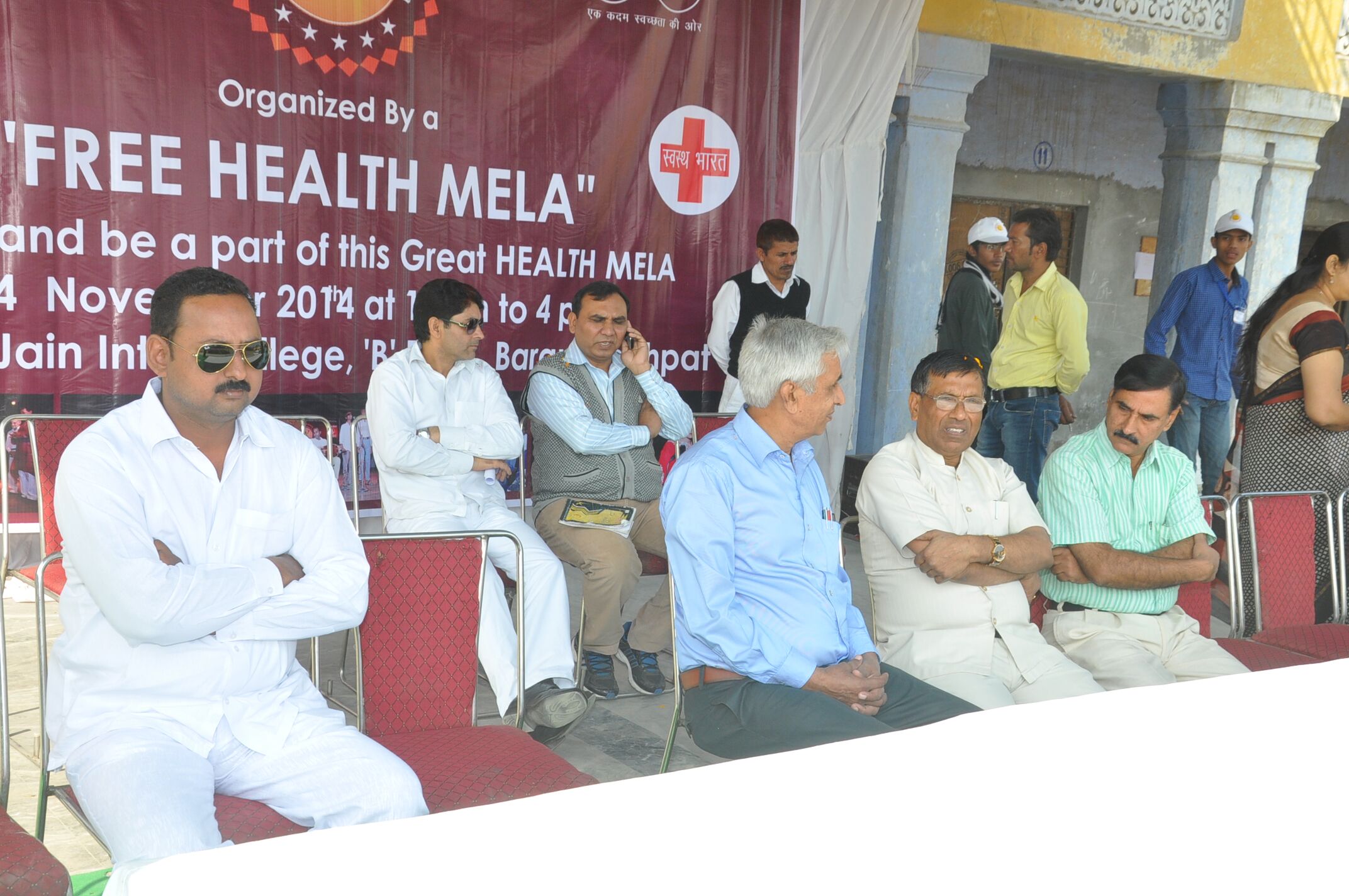
A Free Health Mela Organized for the Welfare of Underprivileged Communities
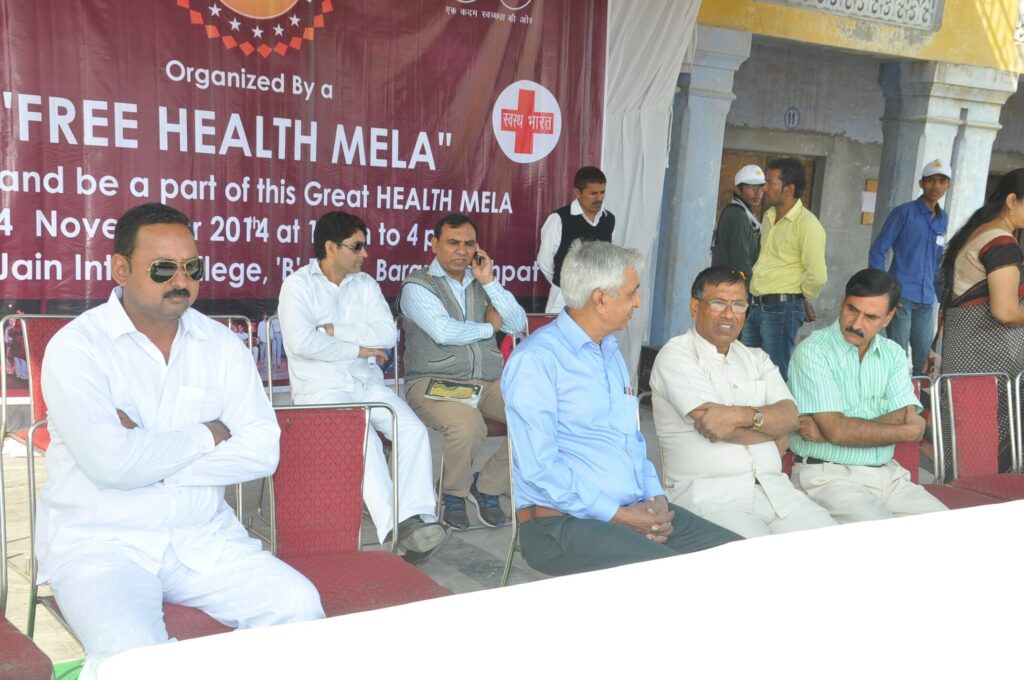
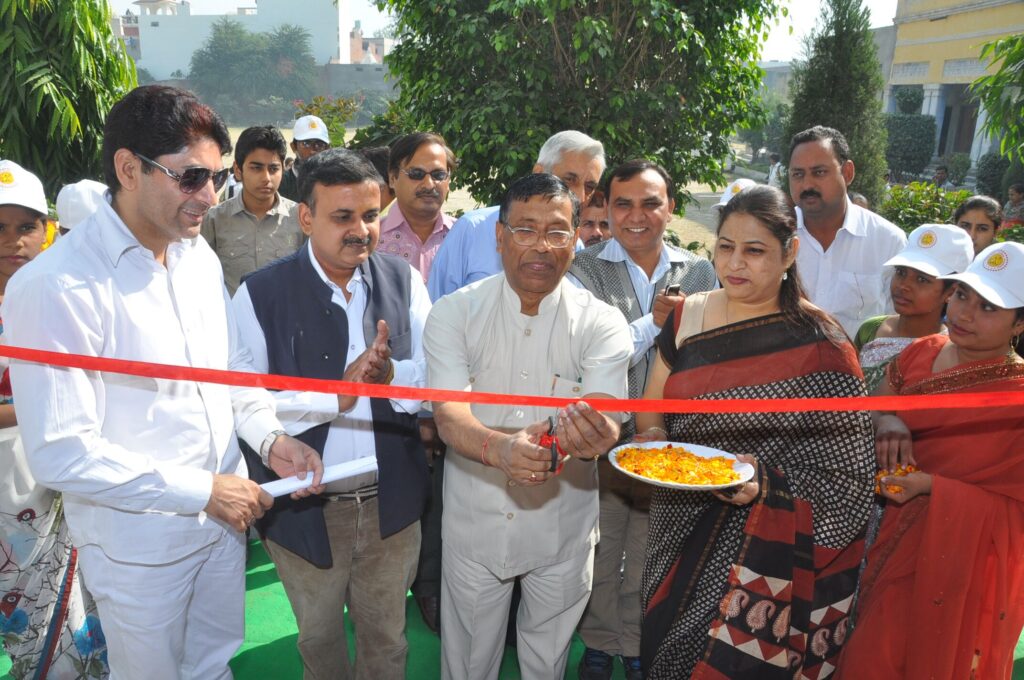
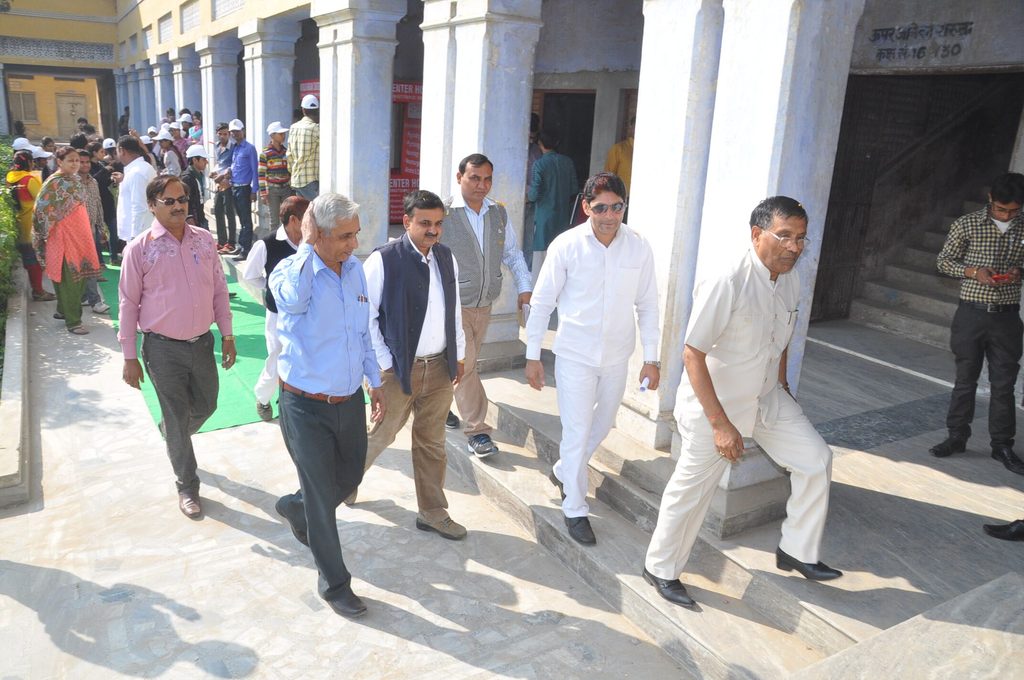
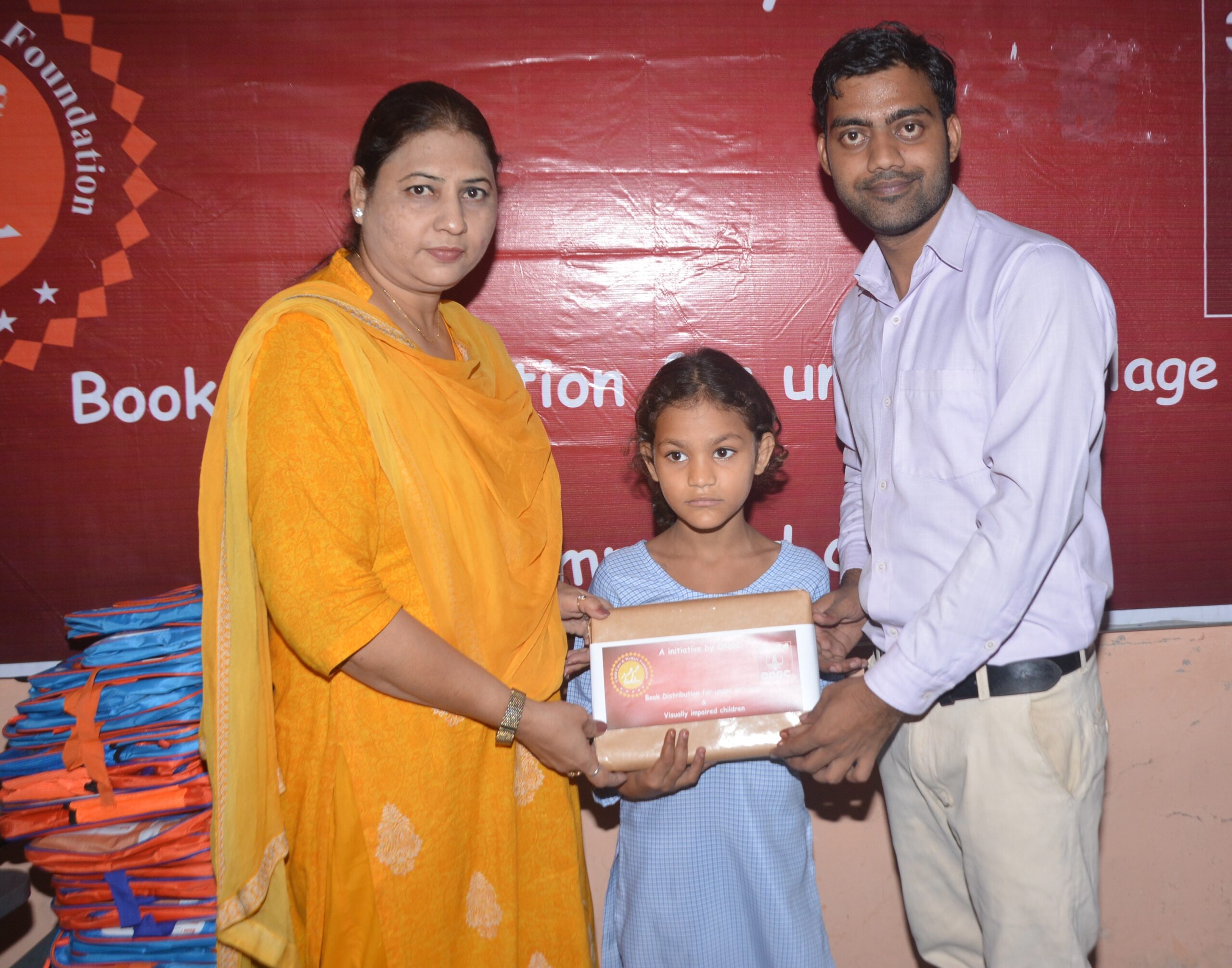
The Child Care and Welfare Foundation organized a large-scale “Free Health Mela” at ‘C’ Field, Jain College, District Baghpat, Uttar Pradesh, from 14 November to 15 November 2015, between 10:00 a.m. to 5:00 p.m. The event was organized with the primary objective of providing accessible and quality healthcare services to economically weaker sections of society, particularly people living in rural and far-flung areas.
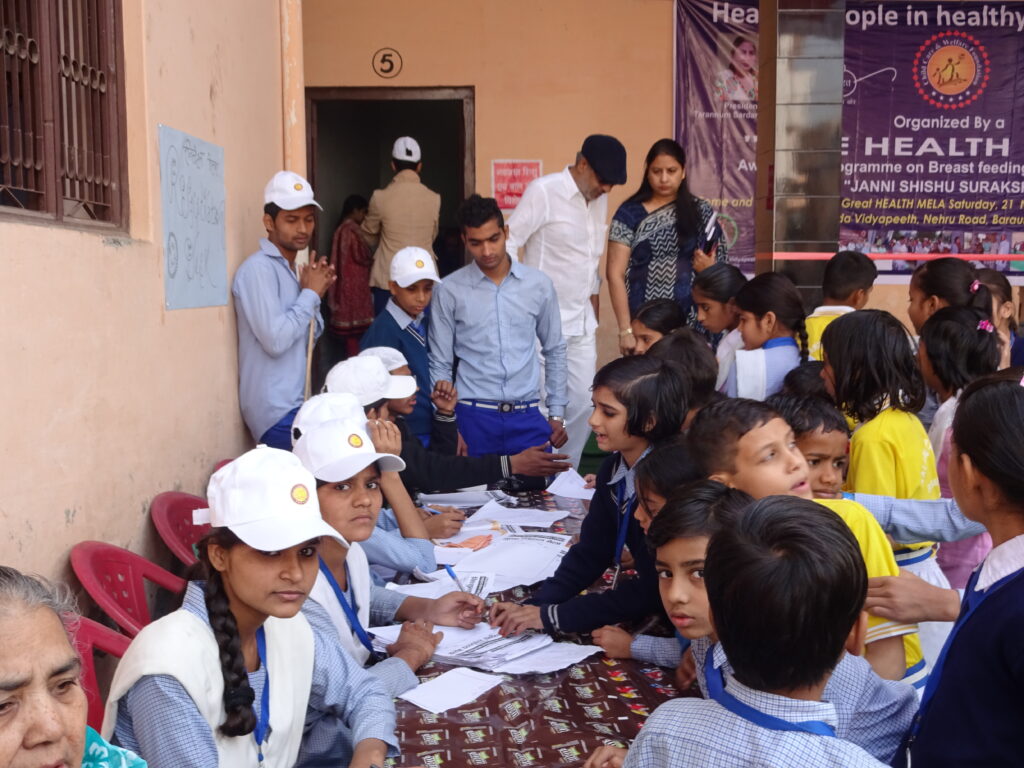
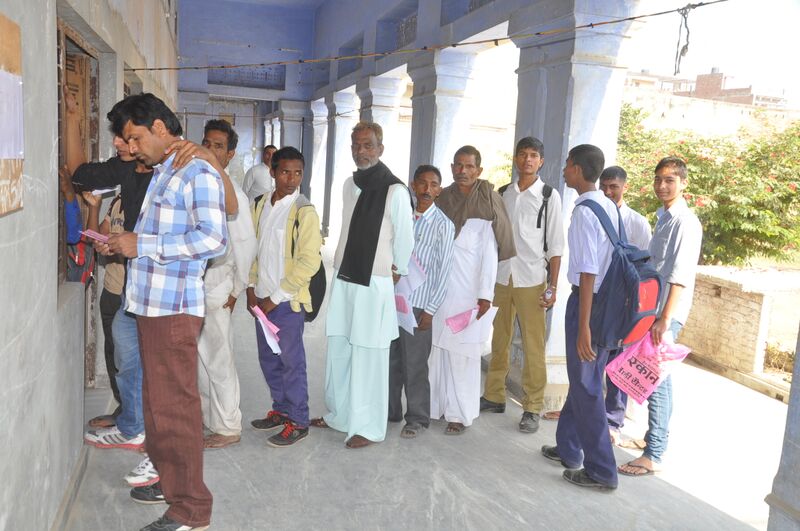
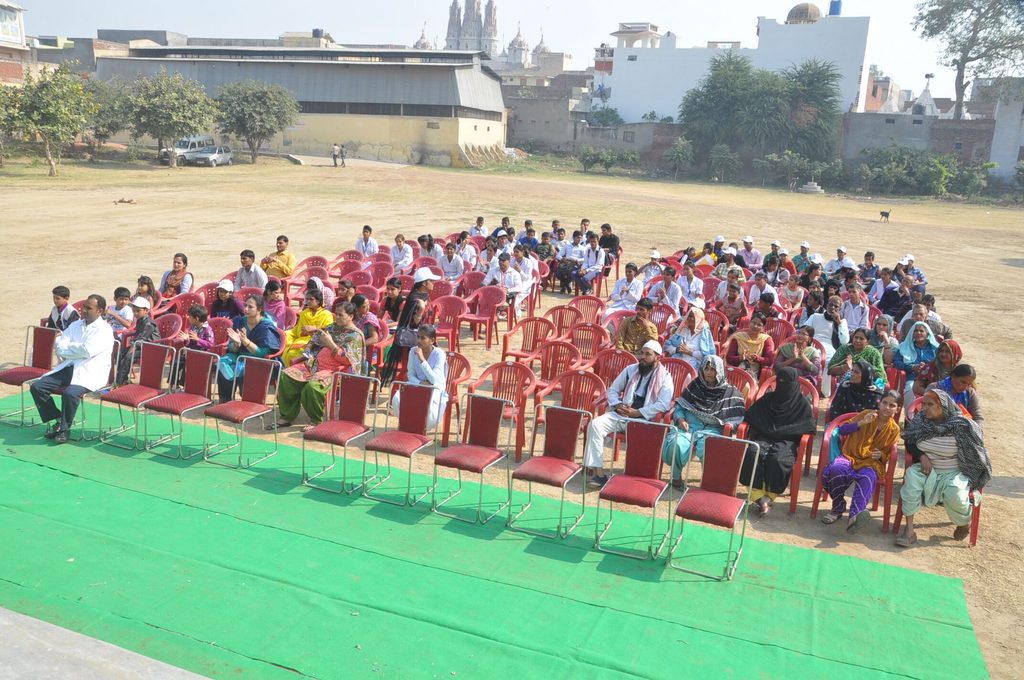
The Health Mela received an overwhelming response from the local community. Approximately 5,000 people attended the event from an estimated surrounding population of nearly 25,000, with a large proportion of beneficiaries belonging to families living below the poverty line. Many of these people face significant difficulties in accessing medical facilities because of poverty, distance, lack of transportation, limited awareness, and the high cost of treatment.
The initiative was therefore an important step toward bringing essential healthcare services closer to those who need them most.
Healthcare for Those Who Need It Most
For families living in economically disadvantaged communities, regular access to healthcare can often be a major challenge. Minor health problems may remain untreated for long periods and can eventually develop into serious illnesses. Women, newborns, children, and elderly people are particularly vulnerable when timely medical attention is unavailable.
Recognizing these challenges, the Child Care and Welfare Foundation designed the Health Mela as a comprehensive community healthcare initiative. Rather than focusing on a single disease or medical specialty, the program attempted to address a wide range of health concerns under one common platform.
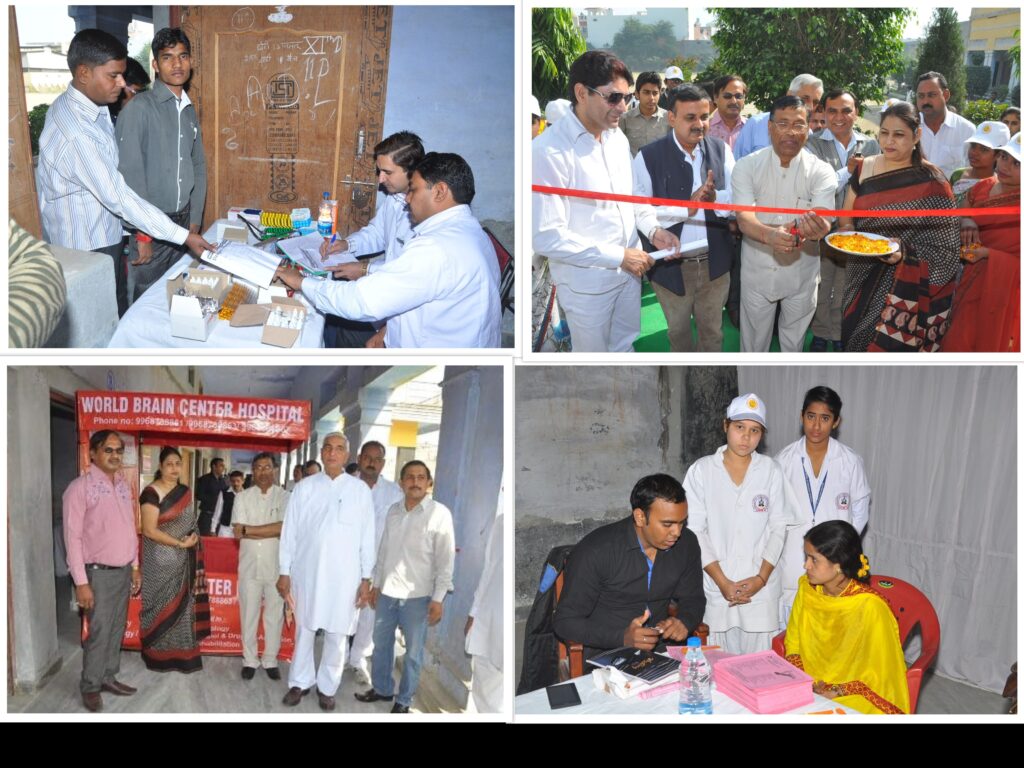
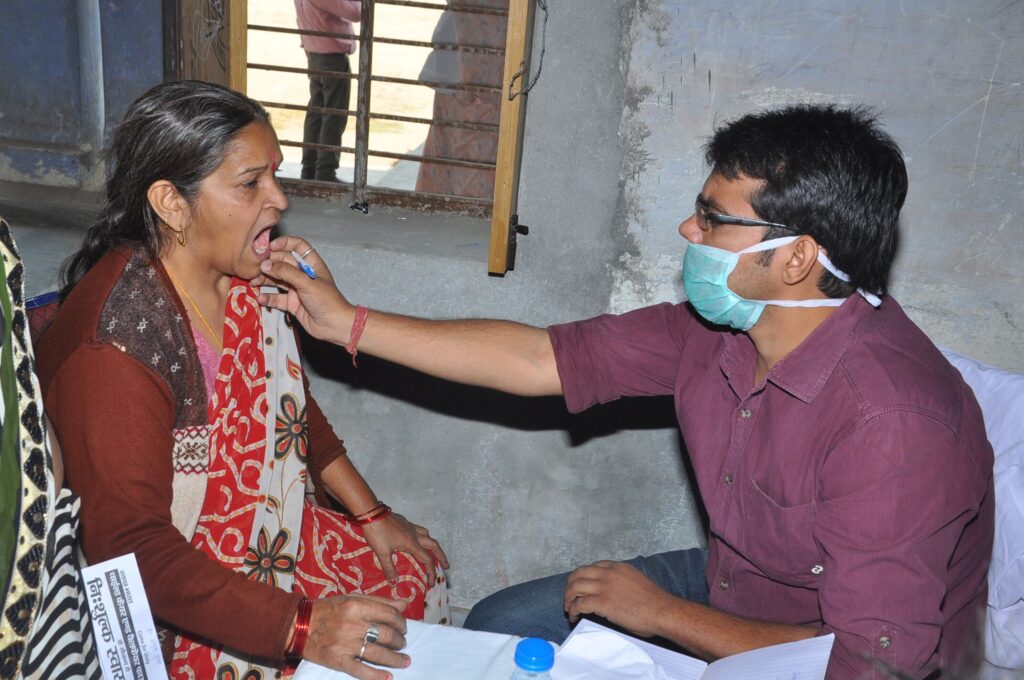
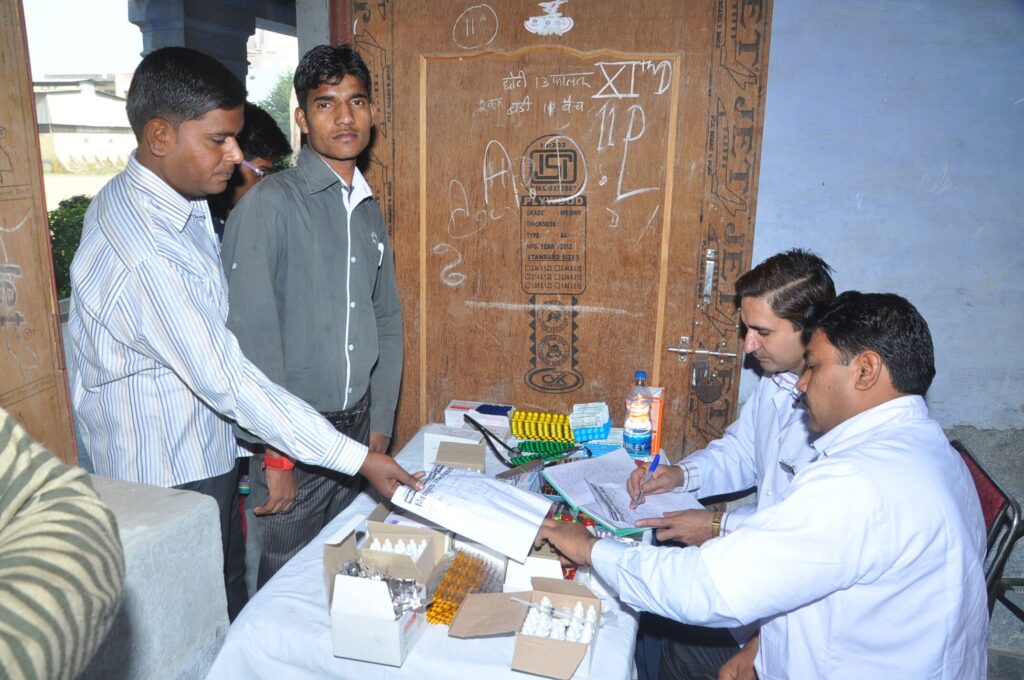
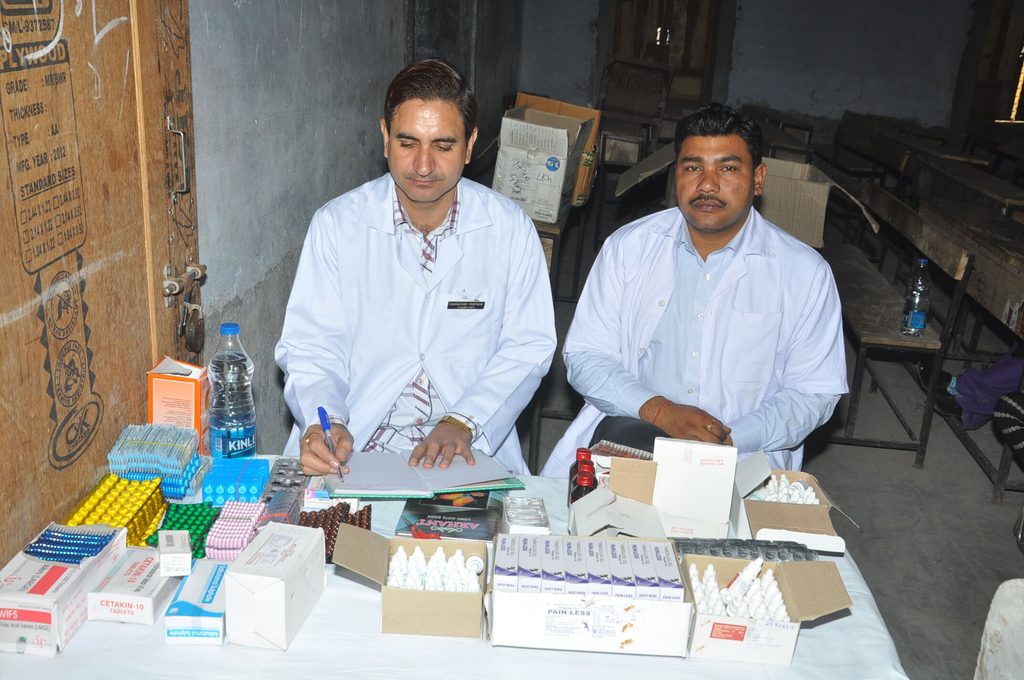
The event provided people with an opportunity to consult medical professionals, undergo basic health examinations, receive medicines and guidance, and learn about preventive healthcare practices.
Awareness and Preventive Healthcare
An important part of the Health Mela was the emphasis on health awareness and prevention. The program included an awareness session on “Breastfeeding is So Much More!”, highlighting the importance of breastfeeding for the healthy growth and development of infants.
Special attention was also given to “Janni Shishu Suraksha”, reflecting the importance of protecting the health and well-being of mothers and children. Maternal and child healthcare is particularly important in rural and economically weaker communities, where mothers and young children may not always receive adequate nutrition, medical supervision, or timely treatment.
The awareness activities encouraged families to adopt healthy practices and seek medical attention when necessary rather than delaying treatment.
Comprehensive Medical Services
The Health Mela brought together services covering a broad range of medical needs. The different healthcare areas included:
- Newborn Care and Treatment – Medical attention and guidance for newborn babies, including information on appropriate care and early identification of health problems.
- Treatment of Child Illnesses – Examination and treatment of common illnesses affecting children, along with guidance for parents.
- Water, Sanitation and Hygiene – Awareness regarding clean drinking water, sanitation, personal hygiene, and prevention of water- and sanitation-related diseases.
- Maternal and Young Child Nutrition – Guidance concerning balanced nutrition for mothers and children, including the importance of essential micronutrients.
- Cardiology Services – Basic examination and consultation for people experiencing heart-related problems or symptoms.
- Gynecology Services – Healthcare consultations for women concerning gynecological and reproductive health issues.
- General Medicine – Medical consultation and treatment for common illnesses and general health problems.
- Pediatrics – Specialized attention to diseases and health conditions affecting children.
- Ophthalmology Services – Eye examinations and identification of common vision and eye-related problems.
- Dermatology Services – Examination and guidance for people suffering from various skin-related conditions.
- Orthopedic Services – Consultation and examination for bone, joint, muscle, and other orthopedic problems.
- ENT Services – Examination and treatment guidance for ear, nose, and throat-related conditions.
- Blood Pressure Examination – Screening for high or low blood pressure and awareness about the importance of regular monitoring.
- Diet and Nutrition Counselling – Guidance on healthy food habits, balanced diets, and appropriate nutrition for different age groups.
- Thyroid-Related Services – Screening, consultation, and awareness regarding thyroid-related health problems.
- Vector-Borne and Seasonal Diseases – Awareness, examination, and guidance concerning diseases such as malaria, chikungunya, and dengue.
The wide variety of services ensured that the Health Mela addressed both immediate medical concerns and broader preventive healthcare needs.
Support from Health Institutions
The success of a community health initiative of this scale depends greatly on cooperation between voluntary organizations, medical professionals, and public health institutions. The Health Mela received strong support and encouragement from reputed healthcare authorities and institutions.
Among the organizations that expressed their inclination to extend support for this noble cause were:
- District Health Services Directorate, Baghpat, Uttar Pradesh
- Directorate of Health Services, Delhi
Their involvement demonstrated the importance of collaboration between government health authorities, medical institutions, and voluntary organizations in improving healthcare access for disadvantaged communities.
Serving Rural and Economically Weaker Communities
One of the most significant aspects of the Health Mela was its focus on people who are often unable to access healthcare conveniently and regularly. Residents of rural and remote areas frequently have to travel considerable distances to reach hospitals or specialist doctors. For low-income families, transportation expenses, consultation fees, diagnostic costs, and medicine expenses can create additional barriers.
By organizing a free medical camp in an accessible location, the Child Care and Welfare Foundation attempted to reduce some of these barriers. The participation of approximately 5,000 people demonstrated the substantial need for affordable and accessible healthcare services in the area.
The event also served as a platform for creating awareness about healthy living, preventive care, nutrition, sanitation, maternal health, and child welfare. Such awareness is particularly valuable because improving community health is not only about treating diseases; it is also about helping families understand how diseases can be prevented.
A Step Toward a Healthier Society
The Free Health Mela organized at Jain College, Baghpat, was more than a medical camp. It represented an effort to bring healthcare, awareness, compassion, and social responsibility together for the benefit of disadvantaged communities.
The initiative reflected the belief that access to healthcare should not be determined by a person’s economic condition or place of residence. Every individual, regardless of income, deserves the opportunity to receive medical attention, health information, and guidance for a healthier life.
Through the Health Mela, the Child Care and Welfare Foundation demonstrated its commitment to serving children, women, families, and other vulnerable members of society. The program also highlighted the value of partnerships among nonprofit organizations, healthcare professionals, government departments, and local communities.
The participation of thousands of people made the event a meaningful community initiative. It helped bring essential healthcare services closer to those who needed them and created awareness about several important health issues.
The Free Health Mela of 14–15 November 2015 therefore stands as an example of how coordinated community action can contribute to improving healthcare accessibility. Such initiatives can play an important role in building healthier, better-informed, and more empowered communities, particularly among people who face economic and geographical barriers to regular medical care.
The spirit behind the Health Mela remains rooted in a simple but powerful principle: serving the health needs of the less fortunate is not merely an act of charity—it is a responsibility toward building a healthier and more equitable society.
Leave a Comment